
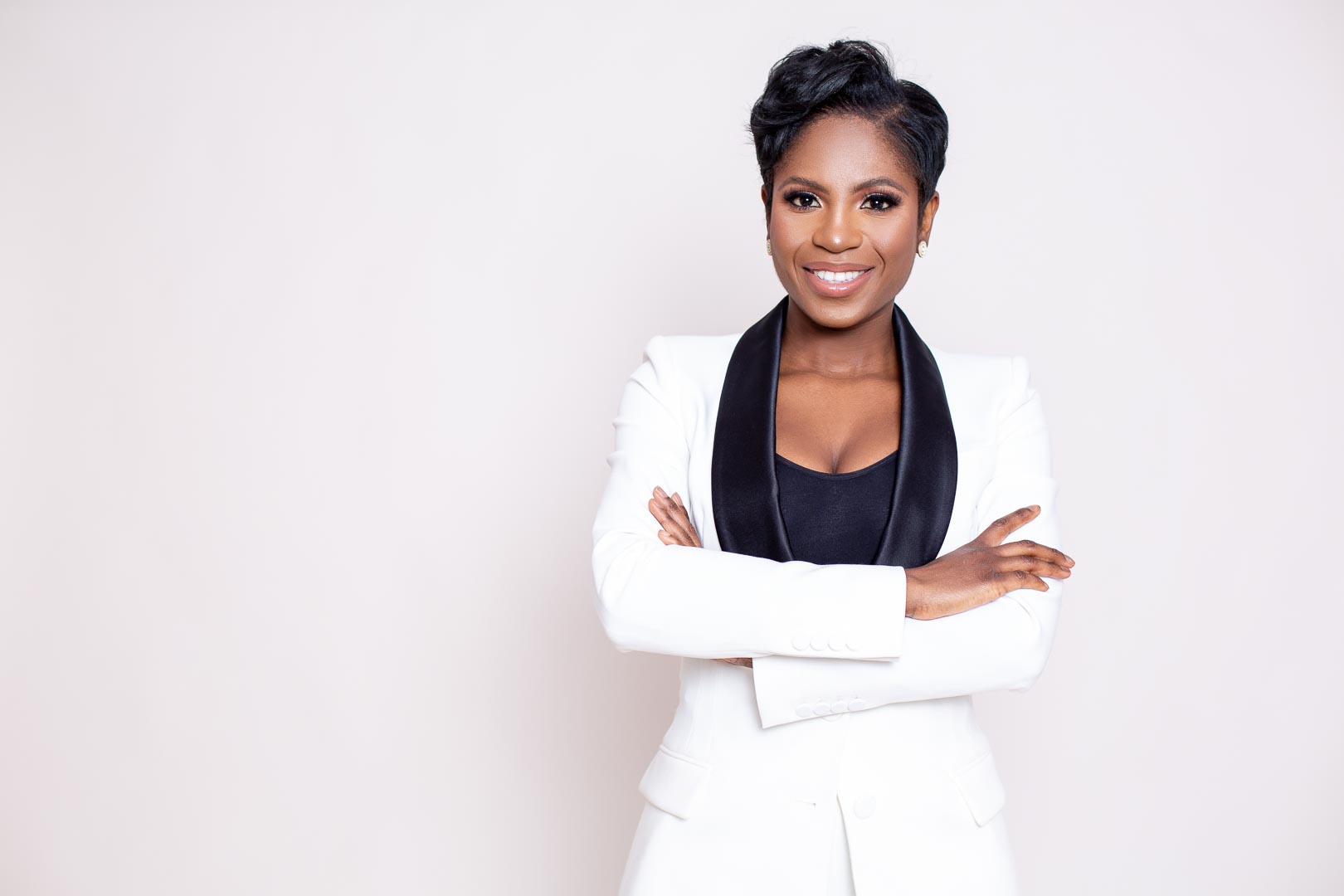
The best personal branding photography tips are usually not about posing tricks or copying what everyone else in your industry is doing. They are about clarity. A personal brand works when people can look at your images and quickly understand something important about you: your level of professionalism, your style of communication, your audience, and the kind of experience they can expect from working with you.
That is why personal branding photography matters so much now. For many founders, consultants, creatives, coaches, speakers, and independent professionals, the brand is not separate from the person. The audience is often deciding whether to trust you before they ever book a call, read a long sales page, or send a direct message. The images do not need to be overly polished or artificial, but they do need to feel intentional.
A weak branding session usually produces photos that look fine on their own but do not build a useful visual identity. A stronger session creates an image library that works across multiple places: your website, profile photos, media features, speaker bios, lead magnets, launch content, newsletters, and social media. That kind of image library is more than a set of portraits. It is part of your business communication.
This guide breaks down practical personal branding photography tips that help professionals create more useful, more believable, and more consistent visual content. The focus here is not on being trendy. It is on building images that feel aligned with your real brand and strong enough to keep working over time.
What personal branding photography is really meant to do
Personal branding photography is often misunderstood as “nice photos of yourself for the internet.” That definition is too small. A better way to think about it is this: personal branding photography helps visually position you in the market you want to serve. It should make your presence feel more coherent, more trustworthy, and easier to recognise across the places people encounter your work.
That means the images need to do more than flatter you. They need to support your business role. A strategist may need images that feel thoughtful and composed. A creative founder may need visuals with more atmosphere and style. A consultant may need a mix of authority, warmth, and approachability. A speaker may need clean, media-ready portraits as well as broader lifestyle or working images that can support interviews and event pages.
The strongest personal branding photos answer quiet questions before the audience has to ask them. Do you look experienced? Do you look aligned with your offer? Do your images feel consistent with your pricing, messaging, and professional level? Those are branding questions, not vanity questions.
Start with your message before planning your visuals

Before you think about what to wear, where to shoot, or how polished the final images should look, it helps to define the message your visual content needs to support. This step is easy to skip because the photography side feels more concrete. But without a clear message, the shoot can become a collection of attractive but generic images that do not actually strengthen your brand.
Your message is not just your job title. It is the combination of qualities you want people to associate with your work. That might be clarity, expertise, calm authority, warmth, originality, precision, elegance, honesty, or creative energy. Different professionals need different balances. The point is to choose intentionally instead of hoping the camera somehow captures the brand without direction.
When your message is clear, visual decisions get easier. Clothing, expressions, locations, props, and image style all start supporting one coherent identity. Without that, the shoot often becomes a moodboard without a business purpose.
Brand personality
Your brand personality affects everything. If your business is built around calm, thoughtful, intelligent guidance, then overly flashy or high-energy images may feel off. If your work is bold, stylish, and culturally aware, then overly stiff corporate portraits may flatten the brand. Personal branding photography works best when the personality in the images feels close to the personality in the actual experience of working with you.
This does not mean every photo has to look casual or extremely expressive. It means the emotional tone should fit the brand. A mismatch creates doubt, even if viewers do not consciously name it.
Audience expectations
A personal brand should be clear to the right audience, not just pleasing to the widest possible group. If your audience expects structure, expertise, and credibility, your images should support that. If your audience is looking for creative originality, emotional connection, or modern visual language, the photography should not feel out of step with those expectations.
This is where a lot of branding sessions go wrong. People choose an aesthetic they personally like without asking whether it will make sense to the people they want to attract. Personal taste matters, but audience alignment matters more.
Platform-specific image needs
Your visual library should also reflect where the images will actually be used. A LinkedIn profile portrait is not the same as a homepage banner. An Instagram carousel image is not the same as a podcast guest headshot. A speaking profile may need more negative space and cleaner framing than a story-based brand post. When you know the platforms in advance, the shoot becomes far more practical.
This is exactly why it helps to map your session around the real content needs of the business rather than treating the shoot as one general visual task.
The most useful shot types for a personal brand library
One of the smartest personal branding photography tips is to stop thinking in terms of “a few good portraits” and start thinking in terms of a complete image library. A personal brand usually needs more variety than people expect. If every photo is the same crop, the same expression, and the same setup, the content becomes repetitive very quickly.
A useful library usually includes a mix of image types. Clean portraits are important, especially for bios, websites, speaker pages, and media use. But they are only one layer. You may also need wider environmental images, working shots, relaxed lifestyle images, detail-based frames, horizontal banners, and visual moments that leave space for text overlays or campaign messaging. Variety makes the images more durable.
- Clean profile portraits are useful for website bios, media use, speaking pages, and platform profiles.
- Wider environmental shots help show context, workspace, and personality without relying only on close-up portraits.
- Working images give the brand more credibility by showing process, tools, or interaction.
- Detail and negative-space frames create flexibility for page design, social graphics, and launch content.
The best personal branding libraries feel broad enough to support real marketing, but focused enough to still feel like one brand.
How to look like yourself without looking underprepared
This is a balancing point that matters more than many people realise. If you try too hard to look “professional,” you can end up with photographs that feel overly formal or disconnected from your real brand. If you lean too far into casual authenticity without enough structure, the images may feel underprepared. The goal is not to choose one side. It is to find the polished version of your actual presence.
That usually means choosing clothing, grooming, and styling that feel familiar but elevated. You should still recognise yourself in the photos. At the same time, the images should look like they were made with purpose. That slight lift in intentionality is often what makes the difference between usable brand imagery and content that feels too ordinary to carry the business well.
It is also why wardrobe planning deserves more attention than many people give it. In personal branding photography, what you wear becomes part of the message, not just part of the outfit.
How to keep your photos consistent across channels
Consistency is one of the clearest signs of a strong personal brand. When someone sees your website, social media, podcast guest profile, email signature, and About page, the images should feel like they belong to the same person and the same professional identity. They do not need to be identical, but they should feel connected.
That connection usually comes from a few repeated elements: color palette, editing style, wardrobe logic, visual tone, setting choices, and the overall emotional message. If one image feels ultra-corporate, another feels moody and artistic, and another feels like a casual phone snapshot with no brand logic behind it, the overall impression becomes harder to trust.
Consistency does not mean sameness. It means recognisability. A good personal brand image library creates enough variation for multiple uses while still feeling like one person with one clear point of view. That is especially important if your content is spread across several platforms and updated over time.
Mistakes that make branding photos feel generic
Generic branding photos usually fail because they rely on visual clichés instead of real brand thinking. The problem is not always that the photos are bad. Sometimes they are technically fine, but they could belong to almost anyone. If the same images would work equally well for five different consultants, coaches, freelancers, or founders, something important is missing.
One common mistake is copying visual references without asking whether they match the actual business. Another is overusing trendy poses, props, or expressions that look polished but do not say anything specific. A third mistake is ignoring how the business is really positioned. If your pricing, tone, and offers suggest depth and expertise, but the imagery feels shallow or overly casual, the result weakens trust.
Generic content can also come from poor planning. When there is no strong brief, no message, and no realistic understanding of how the images will be used, the session often defaults to safe but forgettable visuals.
How to choose locations and settings that support the brand
Location has a direct effect on how a personal brand feels. A clean studio setup may communicate polish, control, and clarity. A real workspace may add credibility and context. An outdoor city environment may feel modern and energetic. A calm interior may feel thoughtful and grounded. None of these choices is automatically better. The right choice depends on what the brand needs to communicate.
It helps to ask whether the setting adds something meaningful or just looks attractive. A beautiful location that has no connection to your audience, offer, or professional style may create visual interest but reduce clarity. On the other hand, a setting that reflects how you actually work can make the images feel much more believable and usable.
If you are unsure which direction will support your brand best, it is worth thinking carefully about the visual trade-offs before the shoot rather than deciding only on convenience or mood.
Why expression and body language matter as much as styling
Clothing and location matter, but expression and body language often do just as much work in a personal branding session. You can have the right outfit, the right light, and the right background, yet still end up with images that feel stiff or emotionally disconnected if the energy in the frame is wrong.
The strongest branding images usually create a sense of ease with intention. That does not mean smiling in every frame. It means looking present, confident, and believable. A calm, direct expression can work extremely well for some brands. A warmer, more open tone may work better for others. The key is alignment. Your expression should support the kind of relationship your audience is meant to have with you.
Body language matters in the same way. Posture, hand placement, angle, and overall tension all influence how viewers read confidence, warmth, and credibility. The best sessions make enough room for this side of the work instead of focusing only on styling and setup.
How to know when it is time to refresh your personal brand photos
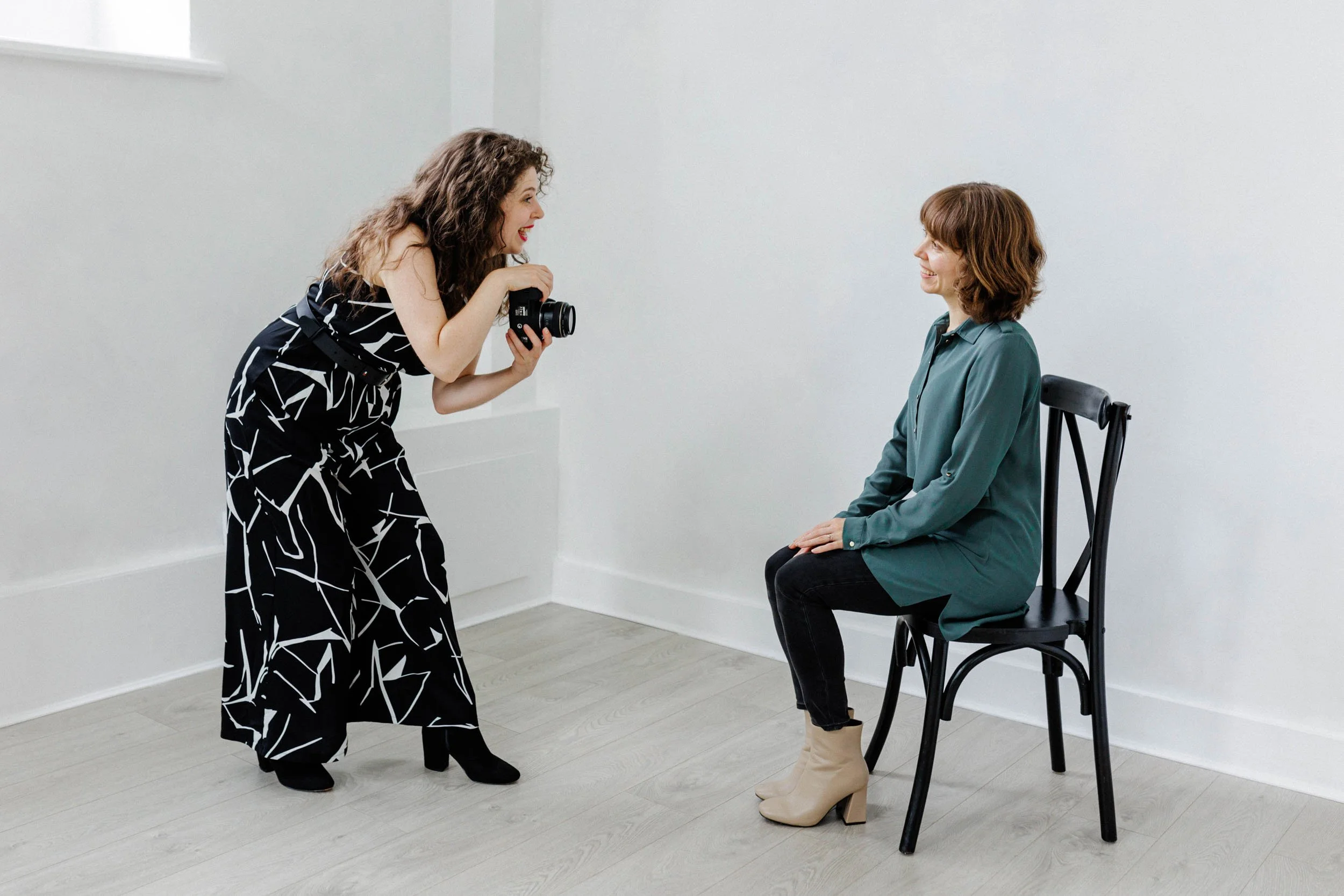
Many people keep using old photos long after they have stopped reflecting the real brand. This is understandable because updating personal imagery can feel like a large task. But if the images no longer fit your offer, your market, your current look, or your level of professionalism, they can start holding the brand back more than you realise.
It may be time to refresh your photos if your business has repositioned, your pricing has changed, your audience has shifted, your current visuals feel inconsistent, or your content needs have expanded. It may also be time if the photos simply no longer feel like you. That matters. A personal brand should evolve as the business evolves.
Refreshing does not always mean rebuilding everything from zero. Sometimes it means creating a stronger, more strategic image set that gives the brand more flexibility and consistency going forward.
FAQ about personal branding photography
What is personal branding photography used for?
Personal branding photography is used across websites, profile photos, speaker pages, social media, media features, launch content, newsletters, sales pages, and other brand touchpoints where the person is closely tied to the business or public-facing identity.
How is personal branding photography different from regular portraits?
Regular portraits may focus mainly on looking flattering or polished. Personal branding photography is more strategic. It is designed to support your positioning, your business message, your audience expectations, and the practical places where the images will be used.
How many different image types should a personal branding session include?
That depends on the business, but most strong branding sessions include more than just close-up portraits. A useful library often includes profile images, environmental portraits, working shots, wider frames, detail images, and content with space for design or text overlays.
Do personal branding photos need to look highly polished?
They should look intentional, but not necessarily overly polished. The right level of refinement depends on your brand, audience, and industry. The most important thing is that the images feel credible, aligned, and professionally useful.
What is the biggest mistake people make with personal brand photography?
One of the biggest mistakes is creating visually attractive content without first defining what the brand actually needs to communicate. When the message is unclear, the images often look fine but fail to strengthen the business in a meaningful way.