

Strong musician photoshoot ideas are not just about finding a cool wall, wearing black, and hoping the pictures look artistic enough. For musicians, visuals often carry almost as much first-impression weight as the music itself. Before someone hears a full track, sees a live set, or reads an interview, they usually meet the project through an image. That image starts shaping expectations immediately.
This is why artist photography needs more thought than many people first assume. A musician’s images may be used across streaming platforms, posters, press kits, social media, event pages, festival bios, release campaigns, and media features. That means the shoot has to do more than produce one or two flattering portraits. It needs to help define the public identity of the project in a way that feels intentional and usable.
A weak shoot often creates pictures that are technically fine but too generic to carry the artist properly. A stronger shoot creates a visual world. It gives the artist something recognisable, something that feels connected to the sound, the energy, the audience, and the direction of the project. The goal is not to manufacture a fake image. It is to make the real one clearer.
This guide explores practical musician photoshoot ideas for solo artists, bands, live performers, and creative teams. It covers how to think about genre, styling, setting, mood, usage, and the kinds of images that make an artist’s visual identity much easier to use across promotion, press, and release cycles.
Why musicians need more than one good promo photo
Many artists start by thinking they just need one strong press image. In reality, that image is rarely enough. A musician usually needs several kinds of visuals because different platforms and moments ask for different things. A Spotify profile image, a poster portrait, a press feature photo, a tour announcement image, and a release campaign banner do not all work in exactly the same way.
That is where a more strategic shoot becomes valuable. Instead of chasing one “perfect” portrait, the goal becomes building a flexible visual set. Some images should feel iconic. Some should feel practical. Some may need clean framing for editorial or press use. Others can hold more mood, movement, or atmosphere. The more intentionally that variety is built, the longer the images stay useful.
This also connects to a bigger point about artist photography: the photos are part of the project, not just accessories around it. They help translate tone and identity for people who have not yet stepped fully into the music.
Start with sound, genre and audience before choosing visuals

One of the smartest starting points for musician photoshoot ideas is to work backwards from the actual project. What does the music feel like? What kind of emotional world does it live in? What kind of audience is most likely to connect with it? What visual references genuinely match the sound instead of just looking fashionable in isolation?
This is where many shoots go wrong. The artist chooses a look because it feels cool in a general sense, but the final images do not really connect with the music. The result may still be attractive, but it feels slightly disconnected. People may not consciously explain that mismatch, but they usually feel it.
A stronger approach is to think of the shoot as visual translation. If the music feels intimate, cinematic, playful, confrontational, dreamy, raw, polished, or emotionally intense, the photos should move in that direction too. They do not need to illustrate the lyrics literally. They just need to live in the same universe.
Solo artist identity
For solo musicians, the visual identity often sits very close to the person. That can be an advantage because the image can feel immediate and memorable. It can also create pressure, because the artist’s face, body language, styling, and environment all start carrying more of the project’s message. The photos need to feel like a public version of the artist, not just a random portrait session.
Some solo artists need images that feel highly direct and intimate. Others benefit from more distance, more character, or a stronger sense of visual mood. The right balance depends on how much the project is meant to feel personal versus performative.
Band dynamics and group portraits
Band photography brings a different challenge. The images need to show the group as a unit without flattening the distinct personalities inside it. Some bands need tight, unified visuals that suggest cohesion and strength. Others benefit from a looser arrangement where differences between members add energy and tension to the frame.
Group composition matters a lot here. Who stands where, how the posture relates, whether the energy feels balanced, and how much space the frame gives each person all shape the final result. A band portrait can feel powerful, awkward, distant, or compelling based on these details alone.
Live versus studio image direction
Some artists build their identity around live energy. Others build it around mood, style, or sound-world rather than performance intensity. That difference matters when planning the shoot. Live-oriented projects may benefit from movement, grit, environmental texture, and a sense of momentum. Studio-oriented or concept-heavy projects may benefit from more control, more styling, and a stronger visual frame around the artist.
Neither approach is automatically better. What matters is whether the image direction feels honest to the actual project instead of copying another artist’s visual grammar without a reason.
Strong photoshoot ideas for musicians and performers
Once the tone of the project is clearer, the actual shoot ideas become much easier to shape. The strongest ideas are usually the ones that support the music while still giving the artist enough variety to work across different promotional uses.
Minimal portrait series with strong expression
Sometimes the most effective musician imagery is quite stripped back. A minimal setup can work especially well when the artist has a strong face, clear styling, and the emotional tone of the project can come through expression and posture. This approach often creates useful press and platform images because it keeps the frame clean and readable.
The risk, of course, is that simplicity can slip into blandness if there is no emotional precision in the performance. For minimal portraits to work, the artist usually needs a strong sense of presence in front of the camera.
Location-based storytelling
A meaningful location can add atmosphere and narrative without making the images feel overdesigned. Streets at dusk, rehearsal rooms, old venues, industrial spaces, coastal environments, apartments, backstages, rooftops, motel interiors, and rural roads can all become part of the story if they match the music. The location should not feel random. It should feel like the project could actually belong there.
This is especially useful when the artist wants the visuals to feel rooted in place or mood rather than purely studio-controlled. A strong environment gives the image something to breathe against.
Performance-inspired movement shots
For artists whose work feels physical, rhythmic, or high-energy, movement-based photography can help the images carry more life. That does not necessarily mean photographing a full live set. It may mean using motion, blur, gesture, dance-like stance, instrument interaction, or more active framing to bring some of the music’s force into the pictures.
These kinds of images often work well in campaign visuals, release content, and social media because they feel less static. They also help when the artist’s onstage identity is a major part of the appeal.
Conceptual styling or character-led visuals
Some artists need a stronger layer of visual concept. That may come through wardrobe, hair, props, set styling, makeup, or a specific visual character. This works best when the concept grows out of the project instead of being added simply to make the images look “more creative.” A concept should sharpen the identity, not hide it.
When this side of the shoot matters, it often helps to think more like a campaign than a casual portrait session. Mood, texture, framing, and concept all need to work together to hold the same idea.
What to bring, wear and prepare before the session
Musician shoots usually benefit from more preparation than people expect. The styling does not need to feel forced, but it should feel chosen. Clothing, instruments, props, cases, amps, notebooks, accessories, rehearsal objects, posters, or set pieces can all help make the session feel more rooted in the artist’s world if they are used intentionally.
Wardrobe should connect to the music, the audience, and the way the artist actually wants to be remembered visually. A common mistake is wearing something that photographs well in theory but does not feel believable in relation to the project. Another is bringing too many unrelated options and losing visual coherence halfway through the shoot.
- Choose outfits that support the sound and public image instead of looking like generic “shoot clothes.”
- Bring objects that belong to the project world only if they add meaning rather than clutter.
- Think about continuity across the image set so the visuals feel like one body of work.
- Prepare practical details early so the artist can focus on energy and expression during the session.
This is one reason artists often benefit from thinking through the session in advance rather than improvising everything on the day. A bit of structure helps the work feel more intentional without reducing its creative edge.
How to build a useful image set for press and promotion
A musician’s images should not only look good. They should also function well. That means thinking ahead about where they will be used. A release campaign might need one or two hero images, but a full promotional cycle often needs much more: portraits for press requests, vertical crops for stories and reels, horizontal banners for event pages, group shots for posters, simpler images for streaming platforms, and content that can support interviews or tour announcements.
The smartest shoot plans make room for these differences. Some frames should be clean and easy to place. Some can carry more drama. Some should allow space for typography. Some should feel intimate enough for profile use. Variety is not a bonus here. It is what makes the images work across the real demands of music promotion.
This is also why artist sessions often benefit from a structure that feels closer to a campaign plan than a casual portrait day. The stronger the intended use is at the planning stage, the more useful the final set becomes.
How locations shape the emotional tone of the shoot
Location influences musician imagery almost immediately. A rehearsal room creates one kind of honesty. A stage creates another kind of energy. A city street at night feels different from a washed-out beach, a dark studio corner, a motel hallway, or an ornate theatre interior. None of these locations is universally right. The value comes from matching the environment to the emotional language of the project.
Artists sometimes choose a location because it is visually dramatic, but if the environment does not fit the music, the final images can feel performative in the wrong way. It is usually better to choose a setting that deepens the identity rather than one that simply adds surface-level style. The location should feel like it belongs to the project, even if it is stylised.
If you are deciding between something more controlled and something more atmospheric, it helps to think carefully about how much the setting should shape the image and how much attention should stay on the artist alone.
Common mistakes that make musician photos feel generic
A lot of artist photography becomes generic because it relies on borrowed signals instead of actual identity. The images may include familiar “music photo” elements, but they do not reveal much about the artist. Dark clothes, moody expressions, urban walls, instruments held in obvious ways, and low-light locations can all work, but only when they mean something in relation to the project. Otherwise, they become visual shorthand with no real personality behind it.
Another common mistake is making every image too serious or too stylised. Some projects do need intensity, but a full gallery with no variation can limit how useful the images become. Press editors, promoters, designers, and platforms often need different tones from the same artist. If the set is too narrow, it becomes harder to use well over time.
There is also the problem of under-planning. Artists sometimes assume that because the work is creative, the shoot should be completely instinctive. Some instinct is good. But strong instinct works better when it has structure around it. Without that structure, the session can produce a handful of decent frames without ever building a full visual identity.
How to know when your artist visuals need a refresh
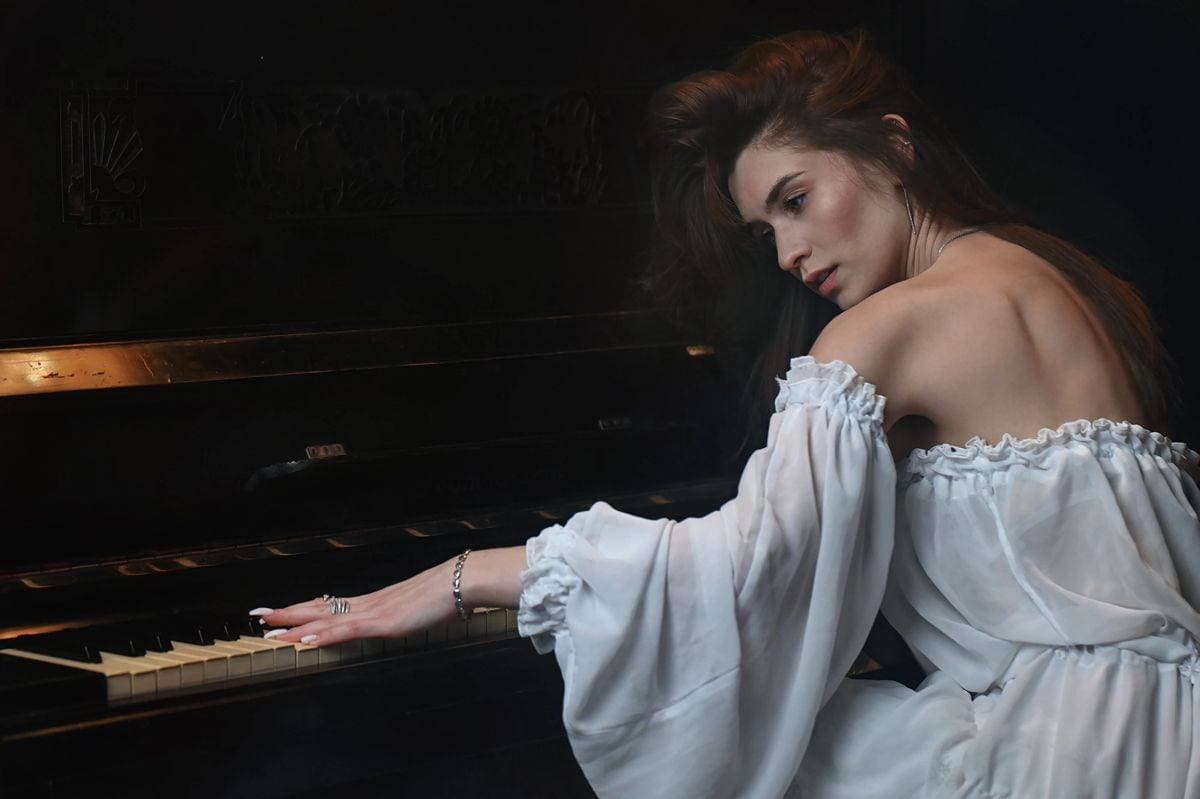
Visual identity changes as the music changes. A set of photos that once felt right may stop fitting when the sound evolves, the audience changes, the project becomes more serious, or a new release cycle begins. This is not a bad sign. It usually means the visual side of the project needs to catch up with where the music has gone.
It may be time for a new shoot if the old images no longer reflect the current sound, if your existing visuals feel too limited for press and promotion, if the project has matured, or if your newer work is entering spaces where stronger branding matters more. A refresh does not always mean starting from zero. Sometimes it means building a better image set around the next chapter.
Good musician photography should feel like it belongs to the era of the music it represents. When it no longer does, people usually notice before the artist says it out loud.
FAQ about musician photoshoots
What are the best musician photoshoot ideas for promotion?
The best musician photoshoot ideas usually come from the sound, identity, and audience of the project. Effective options include minimal press portraits, location-based storytelling, movement-driven performance imagery, and concept-led visuals that support release campaigns, streaming profiles, posters, and media use.
How many images should a musician try to get from one shoot?
It depends on the purpose, but most musicians benefit from more than one hero portrait. A useful set often includes press-ready portraits, wider promotional images, platform-friendly crops, and content with enough variation to support multiple campaign uses over time.
Should musician photos reflect the genre exactly?
They should usually feel connected to the emotional world of the music, but not in a clichéd or overly literal way. The strongest images align with tone and identity rather than copying obvious genre stereotypes.
Is it better to shoot in a studio or on location?
Both can work. A studio offers more control and simplicity, while a location can add context and atmosphere. The best option depends on whether the artist’s visual identity needs stronger mood, stronger control, or a blend of both.
What is the biggest mistake artists make in photoshoots?
One of the biggest mistakes is choosing visuals that look generally stylish but do not really connect to the music or the project identity. Another is creating too little variation, which makes the images harder to use across press, streaming, posters, campaigns, and ongoing promotion.