
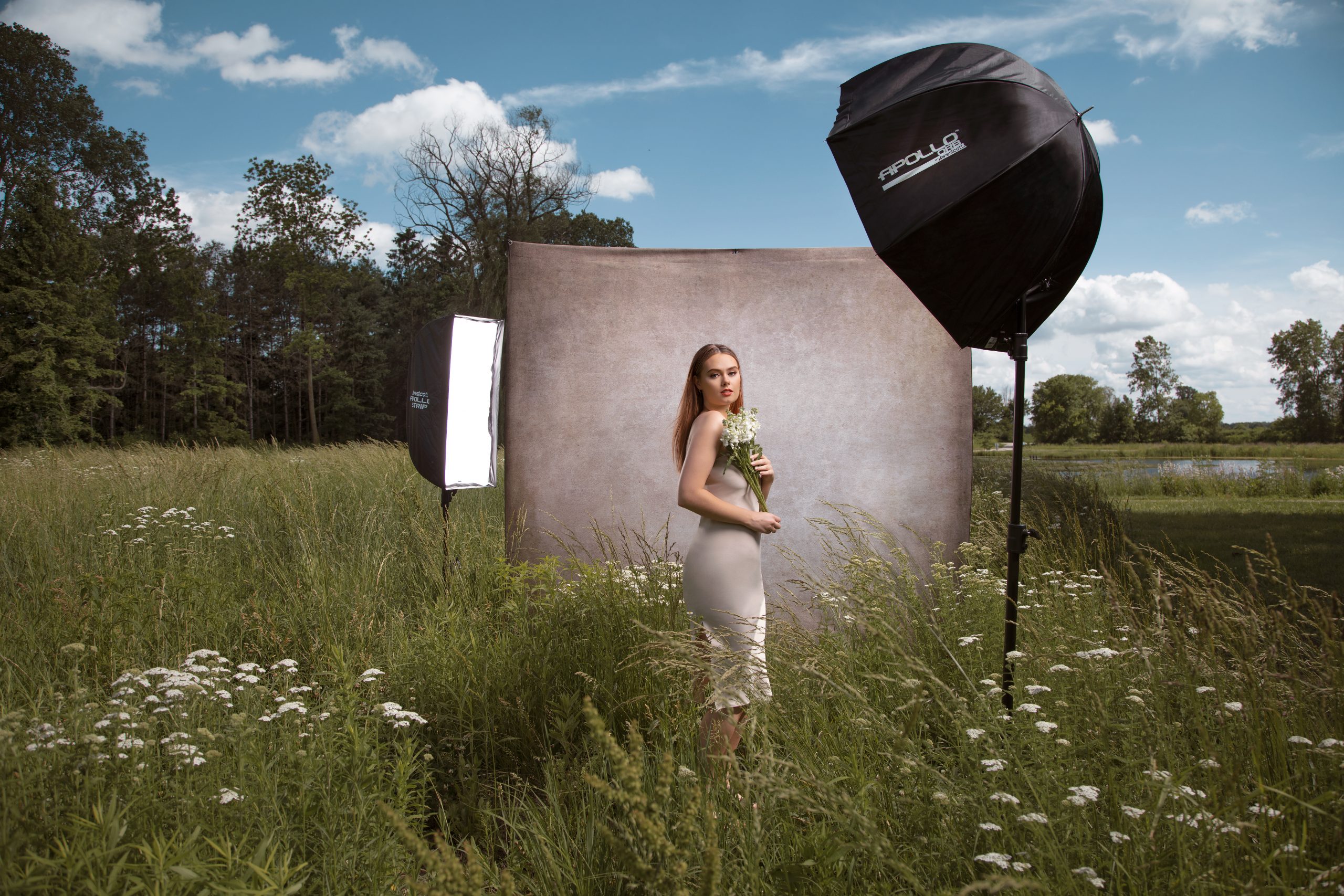
Choosing between a studio vs outdoor photoshoot is one of the most important decisions in visual planning, and it affects far more than just background. The setting shapes the mood, the level of control, the consistency of the images, the practical workflow, and even how the person or product in the frame is perceived. What looks like a simple location choice is often really a brand decision.
This is why the question matters so much. A studio shoot can feel polished, clean, and highly controlled. An outdoor or location-based shoot can feel more natural, atmospheric, and connected to place. Neither option is automatically better. The stronger choice depends on what the images need to communicate, how they will be used, and what kind of energy actually fits the subject.
Many people choose based on instinct alone. They decide that outdoor feels more authentic, or that studio feels more professional, and leave it there. But the right decision usually becomes clearer when you think about the practical and visual consequences of each environment. A setting that looks appealing in theory can create problems in actual use if it does not match the brand, the audience, or the image purpose.
This guide compares the real strengths and limitations of a studio vs outdoor photoshoot for headshots, branding sessions, artist imagery, product content, and broader commercial photography. The goal is not to push one option. It is to help you choose the setting that will make the final images more useful, more believable, and more aligned with the project.
The real difference between studio and outdoor photography
The most obvious difference is visual. Studios tend to create cleaner, more controlled images with fewer unpredictable elements in the frame. Outdoor or location shoots tend to introduce more atmosphere, environmental texture, and natural variation. But the real difference goes deeper than appearance. It affects how the whole session works.
In a studio, almost every major variable can be controlled. Light can be shaped, shadows can be refined, backgrounds can be simplified, and consistency can be maintained across a whole series. That makes studio photography especially useful when precision and repeatability matter. In outdoor settings, some of that control is traded for context and mood. Real locations can add depth, but they also introduce changing weather, shifting light, visual distractions, and logistical unpredictability.
This does not make outdoor work weaker. It simply means the strengths are different. Studio tends to support clarity, polish, and structure. Outdoor tends to support atmosphere, realism, and emotional texture. The right choice comes down to which of those strengths serves the project best.
When a studio shoot makes more sense

There are many situations where studio photography is the strongest option, not because it is more “professional” in some generic way, but because it gives the shoot a level of control that the project genuinely needs. If the images must feel clean, refined, consistent, or easily repeatable across multiple assets, the studio often becomes the more efficient environment.
Studios are especially useful when there are lots of deliverables, multiple subjects, product consistency requirements, or a need for a visual system that looks highly controlled across many final uses. They can also help people who feel nervous in unpredictable public spaces because the environment is more contained and focused.
Controlled lighting
Lighting is one of the biggest reasons people choose a studio. In a controlled environment, the photographer can shape the light precisely, maintain it over time, and create a look that stays consistent from one image to the next. That matters in headshots, ecommerce work, polished brand portraits, and any project where a uniform result is important.
Controlled lighting is also valuable when the subject needs to be presented clearly and without distraction. If the face, product, or styling needs to be the center of attention, studio lighting often helps achieve that with more reliability than changing natural light outside.
Cleaner backgrounds
A clean background does not always mean a plain white wall. It means a background that is doing exactly what the image needs it to do and nothing more. Studios are ideal for this because they remove visual competition. There are no passing cars, no random signs, no awkward building details, and no environmental clutter stealing attention from the subject.
This is especially helpful for headshots, media portraits, product photography, and any brand content where the design team may need flexibility in how the images are later cropped, layered, or placed into layouts.
Faster consistency across a set
When a project needs a large number of images that all feel visually aligned, studio is often the more efficient route. This is true for team headshots, product ranges, personal brand image libraries, and other commercial sessions where consistency is part of the value. Once the setup is dialled in, the shoot can move more smoothly without the same level of environmental interruption that often comes with outdoor work.
This is one reason studios are often the stronger choice when the brand needs a dependable content foundation rather than one-off atmosphere.
When an outdoor or location shoot works better
Outdoor photography can create something a studio often cannot: context. Real space changes how an image feels. It gives the subject a relationship to the environment and can make the content feel more human, lived-in, or emotionally specific. That can be incredibly valuable when the brand or person needs more than polish. It needs presence.
Location-based work often makes sense when the environment itself tells part of the story. A café owner in their venue, a musician in a meaningful urban setting, a designer in a studio workspace, or a consultant whose brand leans more natural and approachable may all benefit from the added depth that real space provides. A carefully chosen location can communicate tone without the need for excessive props or heavy styling.
Outdoor and on-location work can also help images feel more spontaneous and less staged, which is sometimes exactly what a project needs. The strongest location shoots still involve planning, of course, but the result often carries more movement and atmosphere than tightly controlled studio content.
How the setting changes personal branding and headshot sessions
The choice between studio and outdoor has a particularly strong effect on portraits. A studio portrait tends to feel cleaner, more formal, and more controlled. That can work extremely well for professionals who need authority, clarity, and flexibility across profile use, speaking pages, websites, and media assets. The simplicity helps the person remain the focus.
Outdoor portraits, on the other hand, often feel more open, natural, and situational. They can suggest warmth, movement, creativity, or modernity depending on the location and light. For some personal brands, that can be a major advantage. It makes the images feel less corporate and more connected to how the person actually shows up in the world.
This is where styling becomes even more important. The clothing needs to make sense in relation to the environment. A polished outfit that works beautifully in a studio may feel too stiff on a casual outdoor location, while a more natural look may need careful refinement if it is going into a cleaner portrait setup.
How the setting affects products, artists, and campaign work
Products, artists, and campaigns all respond differently to setting choice. For products, a studio is often ideal when clarity, color accuracy, scale consistency, and clean catalogue presentation matter most. But a location can add warmth and lifestyle context when the brand needs to show how the product exists in real life. A homeware brand, for example, may need both polished studio assets and more atmospheric images in a lived-in space.
For artists, especially musicians and performers, the setting often becomes part of the public identity of the work. A studio can create striking control and focus, but a real environment may carry more emotional truth or genre-specific texture. The question is not only which looks better. It is which feels more aligned with the project.
Campaign work often benefits from combining both. A brand may use studio visuals for core assets and location-based imagery for hero storytelling. The stronger the visual strategy, the easier it becomes to decide which environment should carry which part of the message.
Weather, logistics and time-of-day factors to consider
Outdoor shoots bring real atmosphere, but they also bring real unpredictability. Weather can shift quickly, light changes over the course of the day, public spaces can become busy, and logistical details can eat time if they are not handled early. This does not mean outdoor work is not worth it. It means the beauty of it often depends on how well the practical side is planned.
Time of day matters especially. Soft morning or late-afternoon light usually creates a more flattering and atmospheric result than harsh midday sun. Wind can affect hair, clothing, and set elements. Traffic and people movement can change the tone of a location very quickly. Access restrictions, parking, changing areas, and weather backup plans all influence whether the session stays calm or becomes stressful.
Studios remove many of these problems. They also make time more predictable, which can be especially useful for team sessions, products, or clients working on a fixed schedule. So while outdoor photography offers more environmental richness, it asks more from the planning side.
How to choose based on the brand, person or project
The best way to choose between a studio vs outdoor photoshoot is to stop asking which option is generally better and start asking which option supports the message more effectively. What does the project need to feel like? What does the audience expect? Where will the images be used? Does the content need flexibility and clean consistency, or does it need atmosphere and context?
For a polished consultant rebranding with a clean website and multiple speaking uses, studio may be ideal. For a creative founder whose brand is warmer and more lifestyle-led, a location shoot might create stronger emotional alignment. For a musician, the environment may need to feel part of the project’s visual identity. For product photography, the answer may be both: studio for clean assets, location for mood and storytelling.
This is also why reference images can be helpful, but only when filtered properly. The goal is not to copy another brand’s shoot. It is to understand what kind of setting supports your own content goals and public image most clearly.
Common mistakes people make when choosing the wrong setting
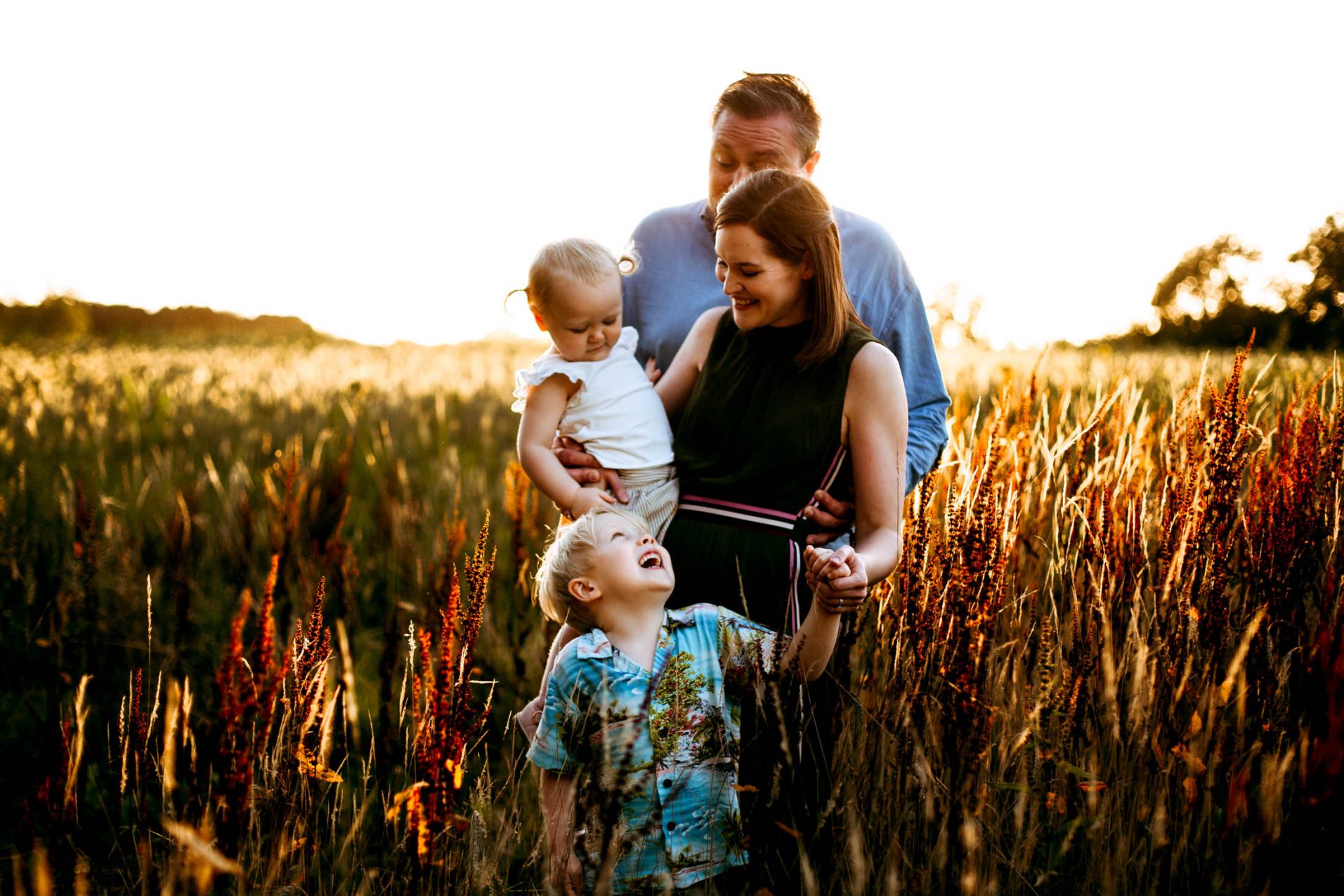
One common mistake is choosing a studio because it feels “safer,” even though the brand actually needs more warmth or context. Another is choosing an outdoor location because it feels more natural, even though the final images need to function in a much cleaner, more structured way. In both cases, the decision is being made based on vague preference rather than practical alignment.
Another mistake is underestimating how much the setting affects the whole session. A poor location can create distracting backgrounds, awkward posture, visual clutter, weather pressure, or a mood that does not match the project. A studio setup that is too plain or disconnected from the brand can feel lifeless even if it is technically strong.
The wrong setting does not always ruin a shoot, but it often makes the images less useful. That is why the location decision deserves real attention early rather than being treated as a minor detail.
Can you combine studio and outdoor in one project?
Yes, and for many brands that is actually the smartest solution. A mixed approach gives you the best of both worlds: clean, controlled foundational assets from the studio and more atmospheric, contextual images from a location. This can work especially well for personal brands, campaigns, product launches, and artist projects where the visual needs are broader than one environment alone can handle.
The key is to make sure the two parts still belong to the same visual system. The color tone, styling, energy, and editing should feel connected enough that the gallery still reads as one brand or one project. If the studio and outdoor work feel like two unrelated shoots, the value of combining them drops quickly.
When done well, though, a mixed approach can create a very strong image library. It gives the business or artist more options without forcing everything to happen inside one visual language that may be too narrow for the actual content needs.
FAQ about studio vs outdoor photoshoots
Is a studio or outdoor photoshoot better for professional headshots?
That depends on the goal. A studio often works better for clean, polished, flexible headshots that need to support business, media, or profile use. Outdoor portraits can work well when the person’s brand benefits from a more natural, contextual, or approachable visual tone.
What is the biggest advantage of a studio shoot?
The biggest advantage is control. Studios allow for consistent lighting, cleaner backgrounds, fewer distractions, and a more predictable workflow, which is especially useful for portraits, product work, and projects that need a polished visual system.
What is the biggest advantage of an outdoor shoot?
The biggest advantage is atmosphere and context. Outdoor or location-based photography can make images feel more natural, more alive, and more connected to place, which is often useful for personal brands, artists, and storytelling-based brand content.
Can a business use both studio and outdoor photography?
Yes. Many brands benefit from using studio images for clean foundational assets and location-based images for mood, story, and broader campaign use. The strongest result usually comes when both styles are planned as parts of one coherent visual system.
How do I know which setting fits my project better?
Start by looking at the purpose of the images. Think about the message, the audience, the platforms where the photos will appear, and whether the project needs more clarity and consistency or more atmosphere and context. The right choice usually becomes much clearer when the visual purpose is defined first.