
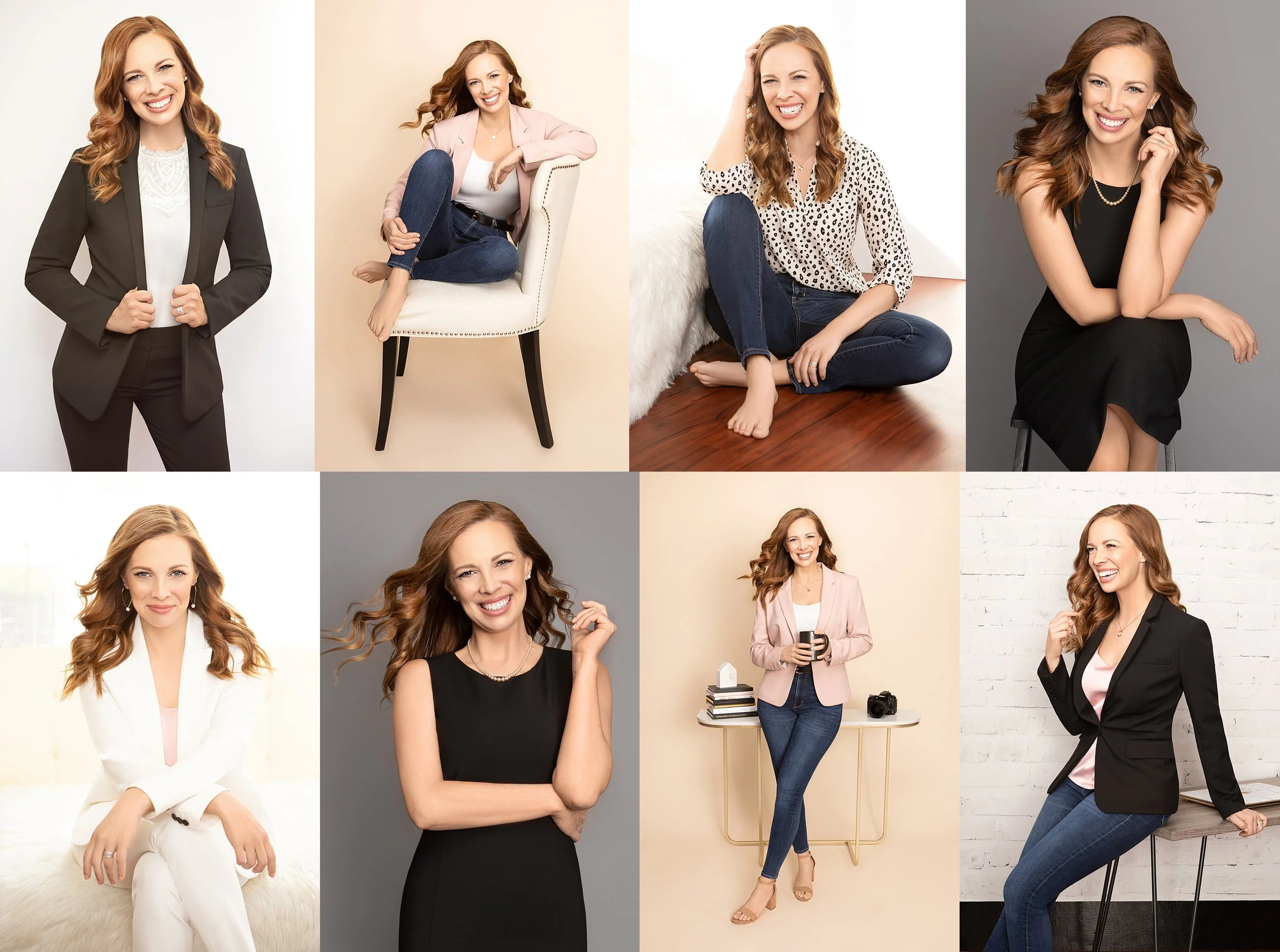
Knowing what to wear for professional headshots can make a much bigger difference than most people expect. A strong headshot is not only about having a good camera, flattering light, or a skilled photographer. Clothing shapes the image immediately. It affects how polished you look, how approachable you appear, how current the photo feels, and whether the final image supports the professional impression you actually want to create.
This is where many people overcomplicate things. They either try to dress in a way that feels too formal and unlike themselves, or they pick something they wear all the time without thinking about how it will translate on camera. Neither approach is ideal. The best outfit for a headshot usually sits in the middle. It should feel natural enough that you still look like yourself, but intentional enough that the photo feels clean, credible, and useful across real business platforms.
A headshot also has a job to do. It may appear on a website, LinkedIn profile, speaker page, media kit, business proposal, booking platform, or company bio. That means the clothing needs to support versatility, not just one specific moment. What looks fine in person can look distracting, dated, or flat in a tightly framed portrait if the details have not been thought through.
This guide breaks down what to wear for professional headshots in a practical way: colors, fabrics, layers, grooming, accessories, common mistakes, and the small choices that make a photo feel more polished without making it feel stiff. If you are preparing for a session soon, this will help you make decisions with much more confidence.
Why clothing matters more in headshots than people expect
In everyday life, people see you as a full person in motion. They hear your voice, notice your posture, and take in the whole context around you. In a headshot, all of that is compressed into one still frame. Because the frame is tighter, clothing details become more important. Necklines, collars, color contrast, fabric texture, wrinkles, layering, and accessory choices all sit much closer to the face, which means they influence the viewer’s impression very quickly.
That does not mean the clothes should dominate the image. In fact, the opposite is usually true. The strongest headshot clothing choices support the face rather than competing with it. The goal is not to make someone think, “Great jacket.” The goal is to make them think, “This person looks confident, professional, and clear.”
It also helps to remember that headshots are often practical assets, not just flattering portraits. They need to work in small sizes, cropped formats, profile circles, company pages, and editorial placements. Clothes that are too fussy, too trend-driven, or too visually loud tend to lose value quickly in those uses.
The best colors and tones for headshot photography

Color is one of the first things to get right because it shapes the whole image immediately. In most cases, solid colors work better than busy prints because they keep the focus on your face and expression. The exact shade depends on your skin tone, the industry you work in, and the impression you want the photo to create, but the general principle is the same: choose tones that feel clean, intentional, and supportive rather than distracting.
Deep neutrals, rich earthy colors, muted jewel tones, and well-balanced mid-tones often work well in professional portraits. Extremely bright neon shades, very harsh contrasts, or tones that wash you out can make the image feel less refined. The right color should help your face stand out without overpowering it.
There is also a branding question here. If your personal image is closely tied to your business or public identity, your color choices should make sense within that wider visual world. The more your headshot aligns with your broader business presentation, the more useful it becomes across different platforms.
Solid colors versus busy prints
If you are unsure what to choose, solid colors are almost always the safer option. Patterns can work in some portraits, but in professional headshots they often create unnecessary visual noise. Thin stripes, tiny checks, dense prints, or repeating geometric patterns can distract from the face and sometimes look even busier on camera than they do in person.
That does not mean your outfit has to feel boring. Texture, layering, and shape can add interest in a cleaner way than pattern. A simple blazer, a knit top with structure, a shirt with a sharp collar, or a well-cut dress in a flattering tone can do much more for a headshot than a complicated print ever will.
How skin tone and brand style affect choices
The best clothing color is not only about fashion. It is also about what makes your face look healthy, engaged, and clear on camera. Some tones bring warmth and life to the skin. Others flatten the complexion or create an unnecessary dullness. This is why a color that feels fine in your wardrobe may not be the best choice for a portrait session.
Your industry and brand style matter too. A lawyer, therapist, architect, startup founder, hospitality owner, designer, and musician may all need different visual tones even if they are all getting “professional headshots.” Professional does not mean identical. It means appropriate, intentional, and aligned with what the image needs to communicate.
What fabrics, layers and necklines usually work best
Once color is sorted, fabric and cut become the next important layer. In headshots, clothes with some structure usually work better than garments that collapse, cling awkwardly, or wrinkle too easily. A little shape around the shoulders, neckline, or upper body helps the portrait feel cleaner and more confident. Very thin or shapeless fabric can sometimes make the image feel less finished, especially in a close crop.
Necklines matter because they frame the face. A flattering neckline can make the portrait feel more balanced and polished, while an awkward one can make the image feel slightly off even if you cannot immediately explain why. Collars can work well if they sit neatly. Crew necks, open collars, soft V-necks, and simple tailored shapes often photograph well. Extremely low necklines, overly bulky scarves, or tops that sit awkwardly at the neck can make the crop harder to manage.
Layers can also help. A blazer, jacket, knit layer, or overshirt often adds visual structure and makes the outfit feel more intentional. But the layering has to sit well. Anything that bunches, rides up, or feels overly stiff will usually show up in the final image.
Accessories, grooming and details that change the final image
Small details tend to matter more in a headshot than people realise because the frame is so tight. Earrings, necklaces, watch straps, glasses, hair shape, neckline balance, makeup finish, and grooming around collars and shoulders all become part of the final impression. None of these details needs to be dramatic, but they should feel considered.
Accessories usually work best when they support the image rather than becoming the focal point. A clean, simple necklace or subtle earrings may add polish. Very large statement pieces can sometimes take over the frame, especially in a close crop. Glasses can look excellent in a headshot if they feel authentic to how you normally appear, but they should be clean and sit comfortably.
Hair and grooming should aim for a polished version of normal, not an unfamiliar version of “camera ready.” If you never wear heavy styling, a headshot that looks overly styled may feel disconnected from how people actually experience you. At the same time, this is not the day for rushed decisions. A bit of extra care with grooming helps the photo hold up longer and look more intentional.
Should you dress formally or more naturally?
This is one of the most common questions, and the answer depends on what the headshot is for. If the photo will be used in a more corporate environment, formal clothing may make sense. If your work is creative, client-facing, lifestyle-based, or personal-brand-driven, a more natural but still polished outfit may be a better fit. The key is not dressing “up” in a way that feels false. The key is dressing with clarity.
A good rule is this: choose the most polished version of what makes sense in your real professional world. If clients expect structure and authority from you, the clothing should support that. If clients respond to warmth, approachability, and creativity, the outfit should not feel overly corporate just because the photo is professional.
People often worry that dressing naturally will make the image feel too casual. Usually, the issue is not whether the outfit is formal enough. It is whether it looks intentional enough. Intentional clothing almost always photographs better than accidental clothing.
How many outfit options should you bring?
For most headshot sessions, one main outfit and one backup option are usually enough, though longer sessions may allow for more variation. The reason to bring an additional option is not to create endless choice. It is to give yourself flexibility if one color, neckline, or layer does not work the way you expected once you are in front of the camera.
The best backup option is usually different in a useful way. If your main outfit is darker and more formal, the second might be softer or slightly more relaxed. If the first look is built around a jacket, the second might simplify the silhouette. The goal is variation with purpose, not random alternatives.
It also helps to arrive with outfits fully prepared rather than loosely assembled. Try on the combinations beforehand. Make sure the layers work together, the neckline sits well, and the clothing feels comfortable enough that you will not keep adjusting it during the session.
What to avoid wearing in a professional headshot
Some outfit choices weaken a headshot almost immediately. Not because they are “wrong” in everyday life, but because they do not translate well into a tight, professional portrait. The most common issue is distraction. If the clothing keeps pulling attention away from the face, the image loses some of its value.
- Avoid busy patterns that create visual clutter or compete with your expression.
- Avoid heavily wrinkled fabrics because they make the image feel less polished than it actually is.
- Avoid logos or large graphic elements unless they are intentionally part of a branded use.
- Avoid clothing that feels uncomfortable because that tension often shows in posture and expression.
- Avoid trend-heavy pieces if you want the image to stay useful for more than a short period.
Another common issue is choosing something because it feels “special” rather than because it photographs well. Headshots usually benefit more from strong basics than from outfits that are trying too hard to be memorable.
How your background and location affect wardrobe choices
Clothing does not exist in isolation. It works together with the background, the lighting, and the style of the session. A sharp studio portrait may support cleaner lines and stronger contrast. A softer natural-light portrait may work better with gentler tones or slightly more relaxed styling. That is why outfit decisions are often stronger when they are made alongside the shoot setting, not separately from it.
If the background is already visually rich, simpler clothing often works better. If the setting is very minimal, the outfit can carry a little more presence through color or texture without overwhelming the frame. The same top may look excellent in one environment and much less effective in another.
How to dress for the role you want the image to play
A good headshot is not just about looking presentable. It is about looking appropriate for the role the image needs to play. A LinkedIn headshot, a founder portrait, a speaker image, a company bio photo, a media profile, and a creative portfolio portrait may all require slightly different visual signals, even when the person in the frame is the same.
This is worth thinking through before the session. Are you trying to look more approachable, more authoritative, more creative, more polished, or more modern? Your clothing should help answer that question quietly. The audience may not consciously analyse your outfit, but they will still react to the overall signal it sends.
If you choose clothes with that purpose in mind, the portrait becomes much more strategic. It starts supporting positioning rather than just appearance.
A quick checklist to use the night before your session

The last thing you want before a headshot session is rushed uncertainty. A short final check the night before can make the session calmer and help you arrive with better focus.
- Try on your chosen outfit in full, including layers and accessories.
- Check for wrinkles, fit issues, loose threads, lint, or anything that may show on camera.
- Make sure the neckline and collar sit well when you move and stand naturally.
- Prepare one backup option that creates useful variation without changing your whole identity.
- Set aside anything you need for grooming, glasses cleaning, or simple touch-ups.
These steps are small, but they help remove unnecessary stress on the day. And when you feel more settled, your expression usually improves too.
Why the right outfit makes the whole shoot easier
One of the most overlooked benefits of choosing the right outfit is that it changes how you feel during the session. When clothing fits properly, reflects your professional identity, and does not need constant adjusting, it becomes easier to focus on expression, posture, and communication. You spend less mental energy wondering whether the outfit is working.
That confidence matters. Most people are not fully relaxed in front of a camera at first, so removing one layer of uncertainty helps a lot. The outfit does not create the whole portrait, but it can support the calm, clarity, and polish that make a headshot much stronger.
If the goal is a portrait that looks useful, modern, and professional, then wardrobe is not a side issue. It is one of the building blocks that helps the image succeed.
FAQ about what to wear for professional headshots
What colors work best for professional headshots?
In most cases, solid colors work best. Mid-tones, deep neutrals, muted jewel tones, and rich earthy colors often photograph well because they support the face without creating too much visual noise. The best choice depends on your complexion, industry, and brand style.
Should I wear patterns in a headshot?
Usually, simple solids are safer than busy prints. Patterns can distract from the face and sometimes look more intense on camera than they do in person. If in doubt, choose clean color over visual complexity.
Do I need to dress formally for a professional headshot?
Not always. You should dress in a way that fits your real professional world. Some people need a more formal look, while others need something more natural and approachable. The key is that the outfit should feel intentional, polished, and aligned with how you want to be perceived.
How many outfits should I bring to a headshot session?
One main outfit and one backup option is often enough for a standard session. The backup should create useful variation without making the session feel visually inconsistent or forcing a completely different identity.
What is the biggest mistake people make when choosing headshot outfits?
One of the biggest mistakes is choosing clothing that distracts from the face. Busy patterns, poor fit, excessive accessories, visible wrinkles, and outfits that do not feel authentic can all weaken the portrait. The strongest choice is usually a clean, well-fitted outfit that supports the person rather than competing with them.